You go to a restaurant. Your server is on the ball, greeting you as soon as you enter. As you are seated at the special booth seat, you are immediately offered the complimentary bread and butter, met with a smile and told to take your time deciding. Your food arrives promptly and tastes as amazing as it looks. After such an unforgettable experience, of course you would leave a special online review and tell all of your friends about it right?
But what if your experience was the complete opposite? Being ignored by rude staff, dirty uncleaned tables everywhere and sub par food that you have payed WAY more than what it was worth. You would do the same thing right? Leave a BAD review and tell your friends to never come again.
We as human beings, are emotional creatures. When a mediocre event occurs we tend to just forget about it. But when something that amazes us or disgusts us happens, it sticks in our memories and we generally have a need to share these unique experiences with those around us. A common practice after experiencing something emotionally triggering (good or bad), is to share it with others. When it comes to the hospitality industry, this could also mean on public reviewing forums such as Google Reviews, Trip Adviser or Zomato.
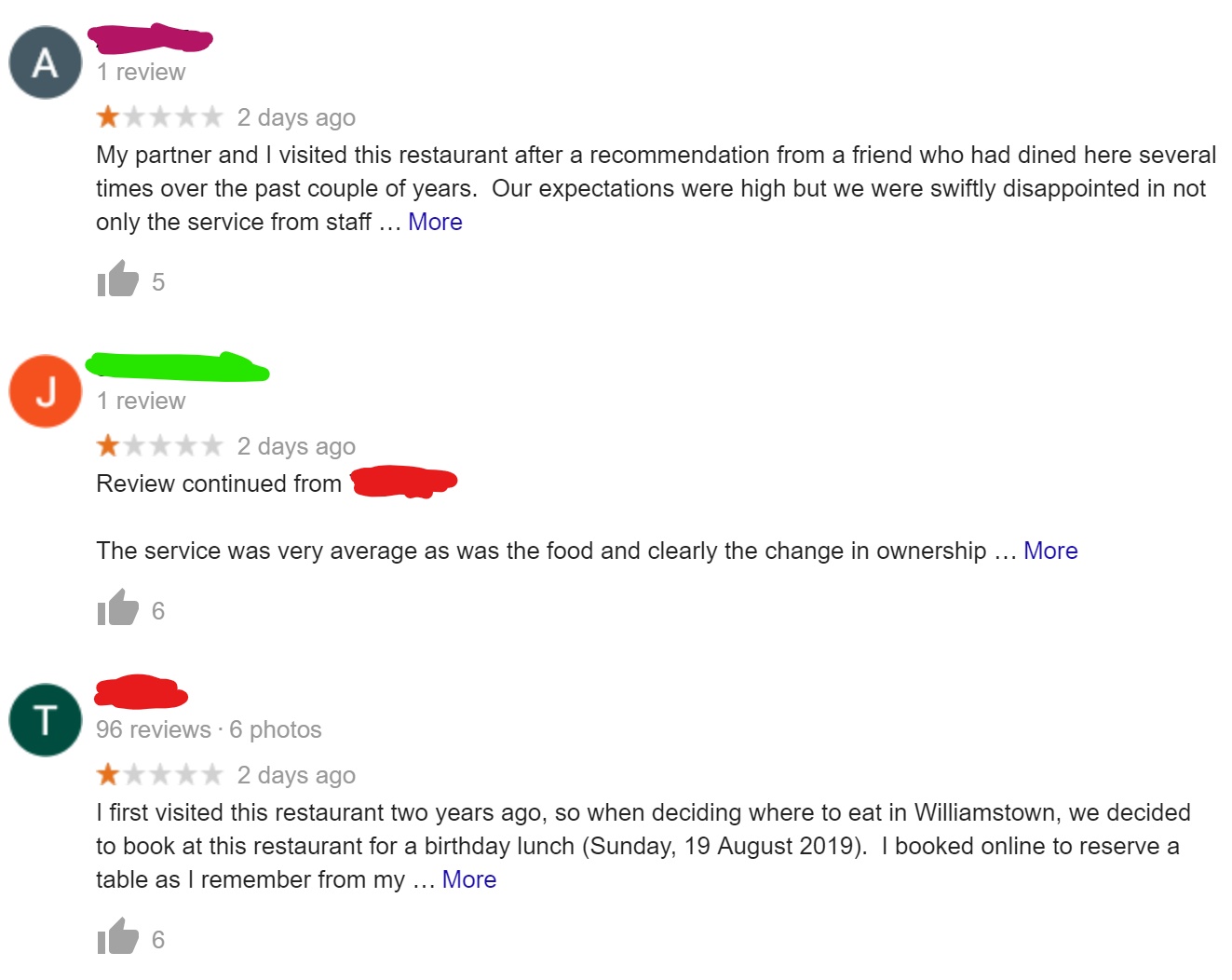
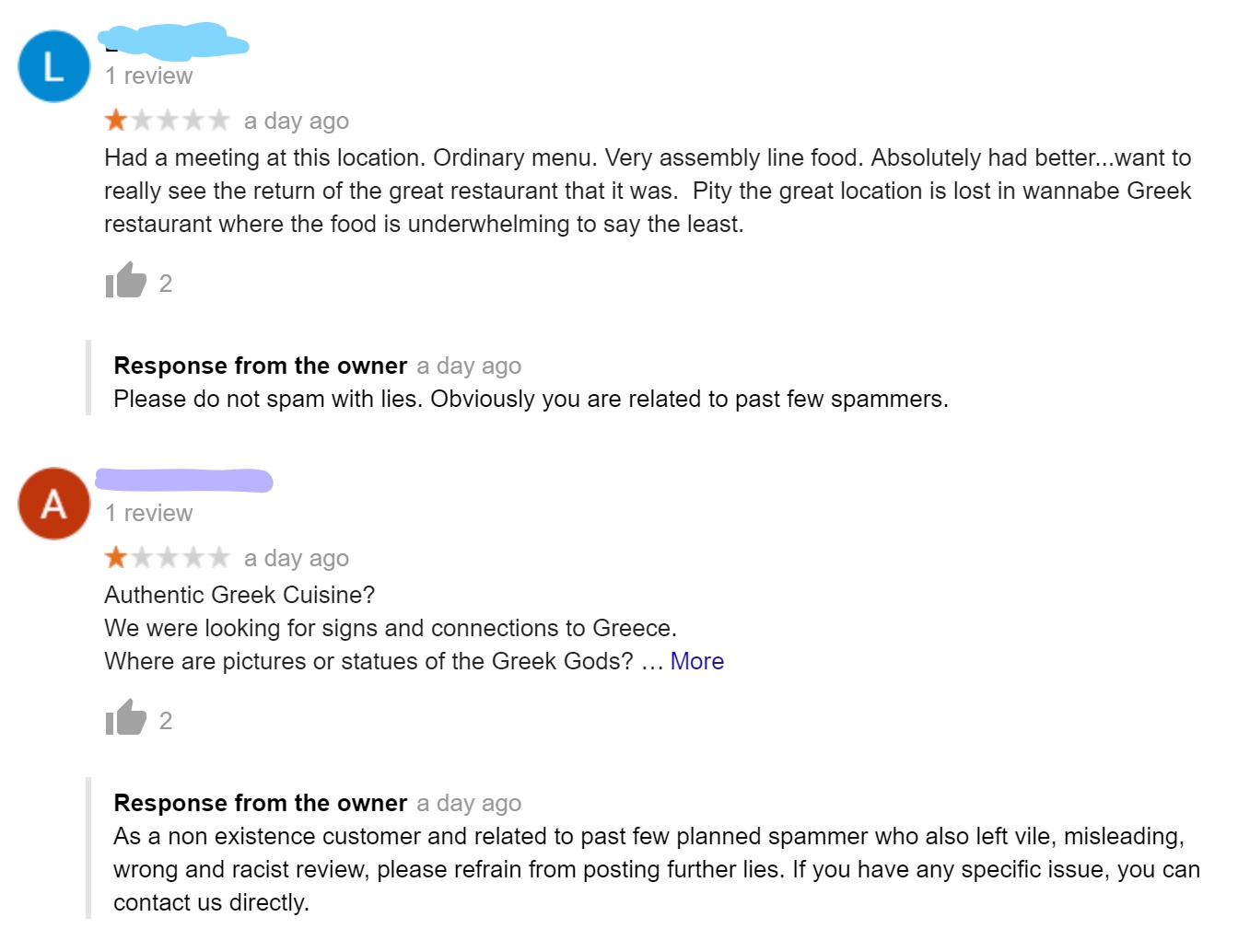
The issue with seeing online reviews is the level of truth may not always be verifiable. Though many companies implement strict regulations for ‘trolls’ and spammers, people still slip through the crack and can tarnish a business. There have been many cases of individuals being unhappy with their experience, telling their friends through word of mouth, then bombarding businesses with fake reviews for the general public to see. See figure 1 & 2
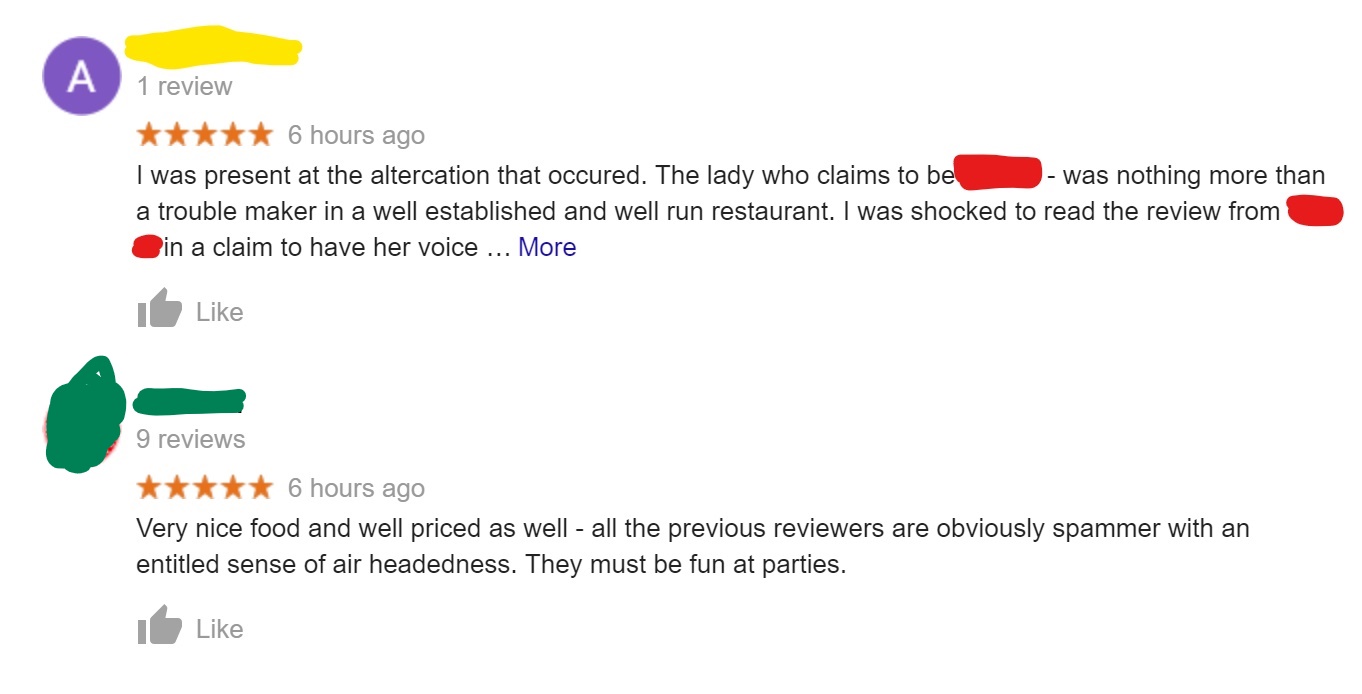
In some cases where witnesses were there or others who passionately care for the business become aware of this level of blasphemy towards a beloved place, the general public may step in (see figure 3). Not all businesses are this lucky and before forum moderators are able to persecute the perpetrators and trouble makers, the damage may have already been done. What do you guys think? do you trust every review you see online?

 Kelly's Digital Marketing Blog
People are more likely to remember bad events that happen to them. I personally am torn on this topic. On one hand we want to give people a platform to express their views and opinions. Everyone’s voice should have the same importance and be heard. However on the contrary this is what happens when you give entitled or obnoxious people a forum for their voice to be heard. In these scenarios, restaurants are predominately family run businesses and its a shame that others can be so condescending without having any consideration for the amount of work required to own and operate a restaurant.
LikeLiked by 1 person
Hi Peter! I agree. For small businesses, snarky reviews like this can be detrimental. It’s sad to see people gang up and essentially cyber bully others with lies like this rather than having a civilised discussion.
LikeLike
In some cases, i have heard of reviewing platforms holding small businesses to ransom. The only way in which the company will remove or “investigate” a bad review is if that business pays for advertising placements on their websites.
LikeLiked by 1 person
That sounds like a very flawed business model. I hope this information will become more open to the public, and these companies increase their level of transparency for the sake of all stakeholders.
LikeLike
Yes it most certainly is… This is what happens when a company tries to satisfy the whole worlds opinions. Moderation becomes a nightmare.
LikeLiked by 1 person
Personally I do not trust every single review online. Did you know it’s actually illegal for companies and businesses to ask people to leave positive reviews or delete negative reviews? But even so, I know that there would be people who leave false reviews because they get an incentive; like a discount off their next purchase or service.
LikeLike